Is Fishin Frenzy a Scam? What's Real and What's Rigged
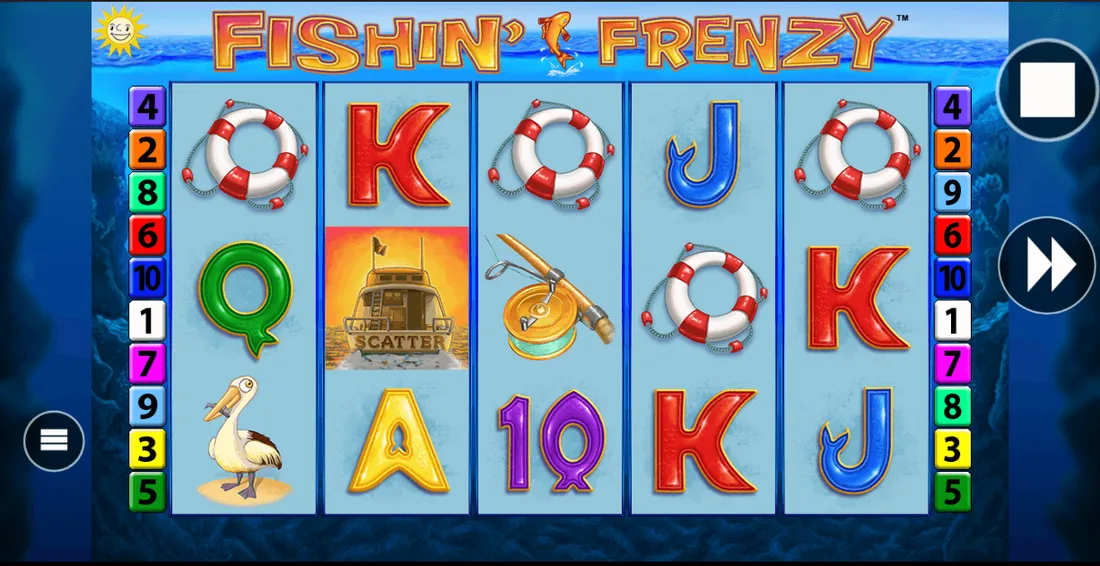
The short answer: Fishin Frenzy itself — the 10-line, 5×3 slot from Blueprint Gaming — is a legitimate, UKGC-approved game. The scam isn't the maths or the provider; it's the circus around it: deepfake celebrity endorsements you've seen on Instagram, fake casino apps that look like the real thing, influencers hawking affiliate links to unlicensed sites, and montages of «guaranteed wins» that were edited in post.
If you've landed here because something felt off, your instinct was right. Fishin Frenzy's popularity — it's one of the most-played slots in the UK — has made it a magnet for fraud. This guide walks you through what's real, what's fake, and how to tell the difference before you hand over a penny.
The Legitimate Game: What Blueprint Actually Built
Fishin Frenzy was developed by Reel Time Gaming and distributed by Blueprint Gaming, a Nottinghamshire-based studio owned by the Gauselmann Group. It's a medium-volatility slot with 10 paylines, a 96.12% default RTP, and a top payout of 5,000× your stake — that's £250,000 if you're betting the £5 maximum allowed under UKGC rules (or £2 if you're aged 18 to 24).
The mechanics are straightforward: three or more boat scatter symbols trigger free spins, and during those spins the fisherman wild collects cash values from any fish symbols on the reels. There's no skill element, no hidden multiplier ladder, and no way to reverse-engineer the RNG. Every spin is independent, certified by third-party test labs, and audited under the terms of Blueprint's content supply agreements with UKGC-licensed operators.
You'll find it at dozens of UK casinos — household names with licence numbers in the footer and GAMSTOP integration baked in. The game runs in-browser or via mobile web app; Blueprint doesn't publish a standalone Fishin Frenzy app on the Play Store or App Store, and never has.
The Scam Ecosystem: Fakes, Clones and Deepfake Ads
The fraud sits in three layers, each designed to intercept you before you reach a licensed operator.
- Deepfake endorsements: AI-generated videos of UK celebrities — footballers, TV presenters, even Martin Lewis — claiming they've won tens of thousands on Fishin Frenzy. The voice, the face and the lighting are near-perfect; the claim is fabricated. These ads run on Instagram, Facebook and TikTok, often for less than 48 hours before the platform pulls them.
- Fake apps and clones: APK files distributed through Telegram groups or spammy download sites, branded as «Fishin Frenzy Official» or «Blueprint Casino». Some are reskinned versions of the real game connected to rigged RNGs; others are credential-harvesting shells that ask for card details up front and vanish.
- Unlicensed casino sites: Offshore operators with no UKGC registration, no GAMSTOP tie-in, and no legal recourse if they refuse to pay out. They'll host a legitimate-looking copy of Fishin Frenzy, but the RTP is dialled down, withdrawal requests go unanswered, and affordability checks don't exist because the site isn't bound by British law.
The common thread: they all trade on the game's name recognition and Blueprint's reputation, then siphon you toward infrastructure that doesn't answer to the UK Gambling Commission.
How to Spot the Real Thing in Under a Minute
You don't need forensic tools or a law degree. Three checks will filter out 99% of the fakes.
- Check the UKGC register: every licensed operator has a searchable entry at gamblingcommission.gov.uk. Match the company name and licence number in the casino footer to the register. If there's no footer, no licence number, or the number doesn't appear in the register, it's unlicensed.
- Look for GAMSTOP: legitimate UK sites are required to integrate GAMSTOP self-exclusion. If the sign-up flow doesn't mention it, or there's no GAMSTOP logo anywhere on the site, walk away.
- Verify stake caps and affordability checks: UKGC rules cap slot stakes at £5 per spin, or £2 if you're aged 18 to 24, and operators must run affordability checks from £150 net deposits a month. If the site lets you bet £10 a spin with no questions asked, it's not following British regulation.
Blueprint Gaming itself doesn't sell directly to players; it supplies content to licensed casinos. If you're downloading an app or signing up for a site that claims to be «the official Fishin Frenzy platform», it isn't.
The Hype Trap: What Happens to Your Bankroll
Even if you're playing the real game at a licensed operator, the maths doesn't care about the branding. Fishin Frenzy has a house edge of 3.88% at the default 96.12% RTP. Over time, for every £100 wagered, the game returns £96.12 on average — but that average is calculated across millions of spins, not your session.
Medium volatility means you'll see a mix of small wins and dry spells. The free spins feature — where the real money sits — triggers roughly once every 150 to 200 spins on average, and plenty of those rounds pay less than your total stake to unlock them. A 5,000× max win sounds life-changing, but the probability of hitting it is vanishingly small, and you'll burn through hundreds of pounds chasing it if you're not disciplined.
The influencer videos showing back-to-back bonus rounds and four-figure payouts? They're either montages of cherry-picked sessions, recorded in demo mode, or funded by affiliate deals that give the creator a bankroll they didn't risk themselves. Your experience won't mirror theirs.
What the Regulator Actually Does (and Doesn't) Protect
The UK Gambling Commission's remit covers operators, not the game's maths. A UKGC licence guarantees that the operator meets baseline standards: segregated player funds, third-party RNG certification, dispute resolution through IBAS or an alternative ADR scheme, and compliance with the Gambling Act's social responsibility requirements.
What it doesn't guarantee: that you'll win, that the bonus will trigger when you want it to, or that the game is «fair» in the sense of giving you an even chance. The house edge is baked into the approved maths model, and the UKGC has no problem with it as long as the RTP is disclosed and the RNG is audited.
From April 2026, Remote Gaming Duty rose to 40%, which operators pay on gross profits. That cost doesn't directly affect the RTP of any individual game, but it does put pressure on operators to limit promotions and tighten withdrawal checks. Affordability checks now kick in at £150 net deposits a month, using credit-reference data at the first stage — so if you're depositing regularly, expect the operator to ask questions.
Playing Safely (Without the Sermon)
You're 18 or older, you understand the maths, and you've chosen to play. Fine. Here's what keeps it recreational rather than ruinous.
- Set deposit limits before your first session: every UKGC operator is required to offer daily, weekly and monthly caps. Use them. The game doesn't know or care what you can afford to lose.
- Try demo mode first: most licensed sites offer free-play versions to logged-in, age-verified accounts. You'll see the same RNG, the same bonus frequency, and the same volatility without spending a penny.
- Register with GAMSTOP if you need a break: one sign-up blocks every UKGC-licensed site for six months to five years. It's not reversible, and that's the point. BeGambleAware offers free, confidential support if you're struggling.
Your winnings are tax-free in the UK — the operator pays the 40% Remote Gaming Duty, not you. But that doesn't make gambling an income strategy. The RTP is a long-run average, not a guarantee, and the long run is longer than your bankroll.
FAQ
Is Fishin Frenzy itself a scam, or just the ads around it?
The game is legitimate: developed by Reel Time Gaming, distributed by Blueprint Gaming, and certified for play at UKGC-licensed operators. The scam sits in the marketing ecosystem — deepfake celebrity endorsements, fake apps, unlicensed casino sites — that trades on the game's name to funnel players toward unregulated platforms. Check the UKGC register and look for GAMSTOP integration before you deposit.
How do I know if the casino offering Fishin Frenzy is licensed?
Look in the footer for a UKGC licence number, then cross-check it in the Gambling Commission's public register. Every legitimate UK operator must display the licence number and link to GAMSTOP. If the site lets you bet more than £5 a spin (or £2 if you're 18 to 24) without age verification, it's not following British regulation.
Are there any official Fishin Frenzy apps I can download?
No. Blueprint Gaming supplies content to licensed casinos; it doesn't publish standalone game apps. Any APK or app claiming to be the «official Fishin Frenzy» is either a clone connected to a rigged RNG or a credential-harvesting scam. Play through a UKGC-licensed operator's mobile site instead.
Why do influencers keep winning huge amounts on this game?
Most of those videos are montages: hours of play edited down to the profitable spins, or sessions recorded in demo mode and presented as real money. Some influencers are bankrolled by affiliate deals, so they're risking the casino's money, not their own. Your RTP and volatility experience will be identical to theirs, but your edited highlight reel won't look the same.
What's the actual chance of hitting the £250,000 max win?
Vanishingly small. The 5,000× top payout requires a perfect combination during the free spins feature, which itself triggers roughly once every 150 to 200 spins. Blueprint doesn't publish exact hit frequencies for the max win, but it's designed to happen rarely enough that the 96.12% RTP holds across millions of spins. Budget for the house edge, not the highlight.
If I self-exclude with GAMSTOP, can I still play at offshore sites?
Technically yes, because GAMSTOP only blocks UKGC-licensed operators. But those offshore sites have no legal obligation to pay you, no recourse if they don't, and no integration with UK payment rails or regulators. You also lose the protections of the Gambling Act: no stake caps, no affordability checks, and no dispute resolution through IBAS.